What I Believe
Notes on founders, consumer brands, AI, and the behaviors underneath them.
I write about the patterns I keep noticing across company-building, angel investing, consumer brands, and the shifts in behavior that new technology keeps unlocking.
The lens is usually the same: what sharpens founder judgment, what makes brands break through, and which emerging consumer behaviors are worth paying attention to early.
What I Believe
What I am noticing across founders, markets, and consumer behavior.
Short essays on founder judgment, category shifts, product and brand building, and the demand patterns that often show up before the market has fully named them.
Why GLP-1s have not exploded in India yet.
The category has not moved as fast as many expected, but the visible behavior shift is already beginning: more awareness, more curiosity, and more premium consumers entering the funnel.
The real unlock may come as doctor comfort, access pathways, and social normalization catch up with the product.
Read note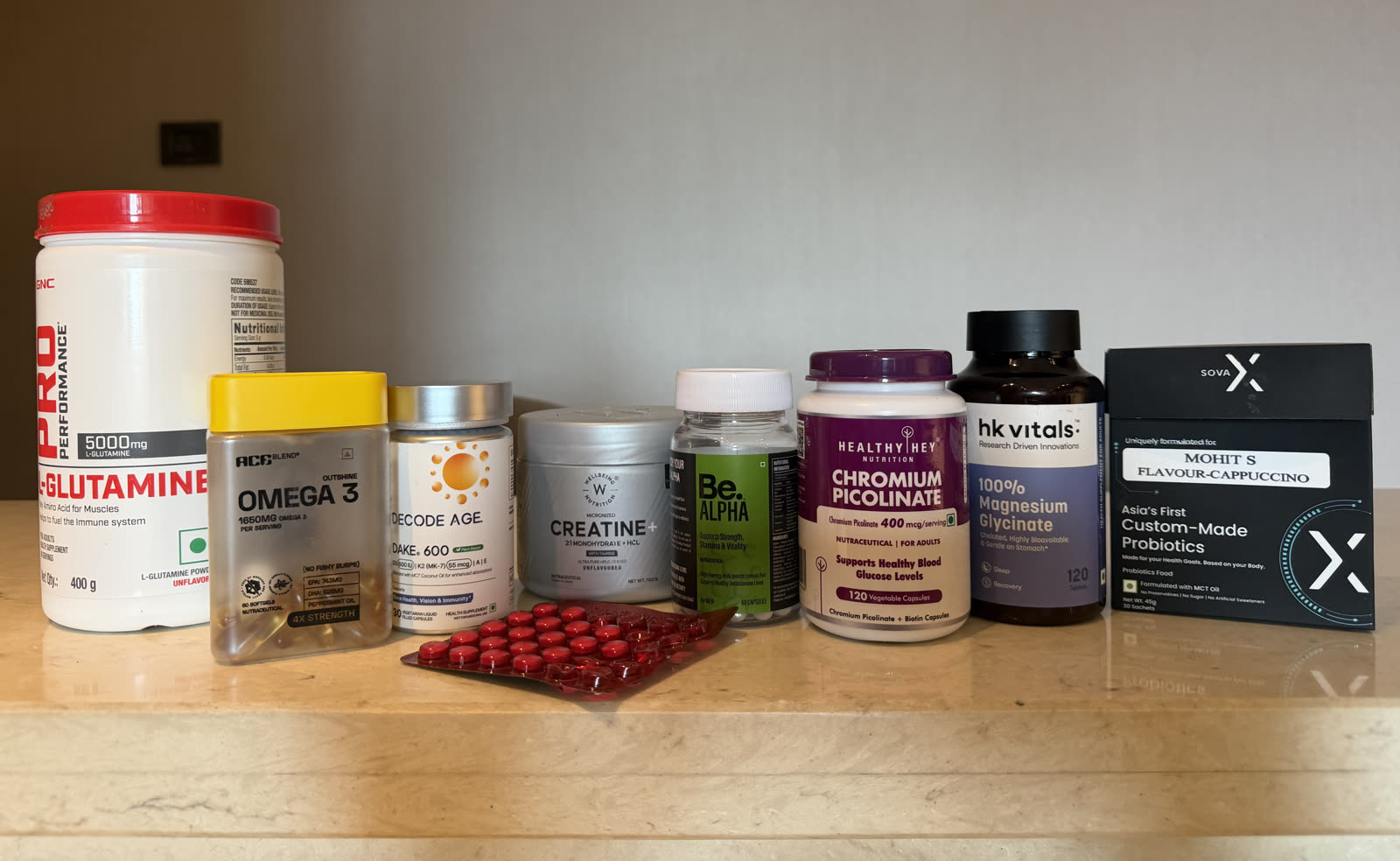 Consumer Health
Why supplements are starting to look like personalized health infrastructure.
India is not just buying more supplements. Discovery is starting to shift from shelf presence toward goals, biomarkers, and AI recommendations.
In that journey, the brand is no longer the starting point. Dosage, compatibility, and credibility become the filters that define which products actually earn trust.
Read note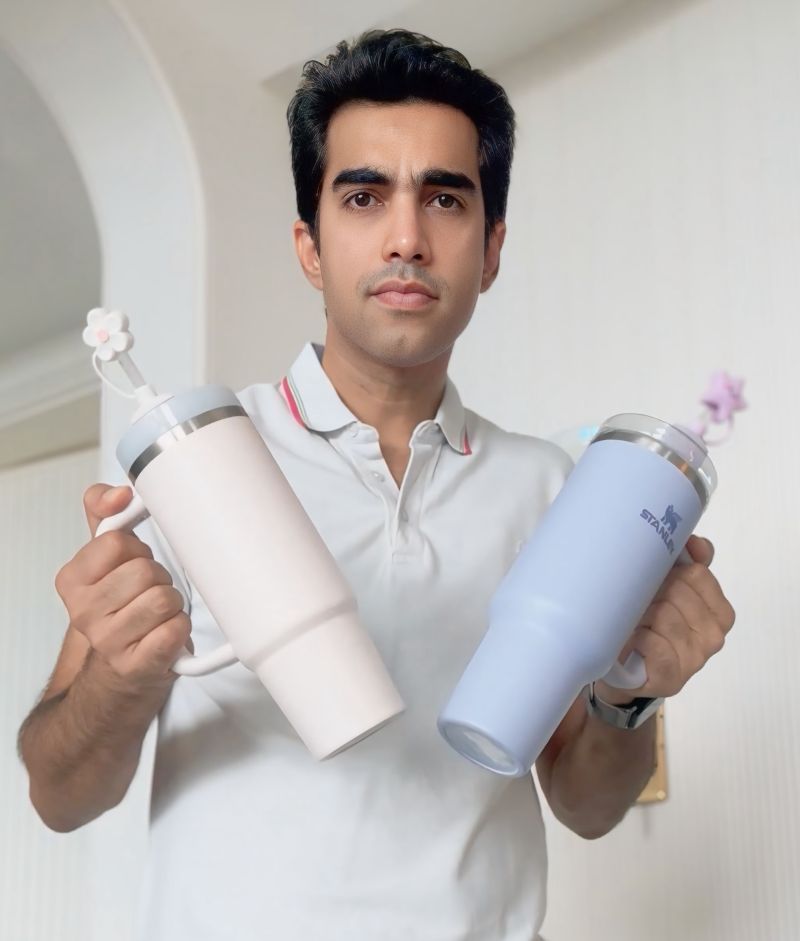 Consumer Brands
Stanley, Crocs, and the simple playbook behind brand resurgence.
What looked like an absurdly large tumbler turned out to be a perfect lesson in modern consumer branding. Stanley and Crocs followed a surprisingly similar playbook: make the product aspirational, redesign the visual language for social sharing, and turn customization into identity.
The deeper takeaway is that great turnarounds do not always start with a radically new product. Sometimes the real unlock is reframing an aging brand for a new consumer context and making it visible, collectible, and worth showing off.
Read note Founder LessonYou do not win because the idea is secret. You win because the execution compounds faster.
One of the most common founder fears is that sharing an idea will get it stolen. The stronger view is the opposite: real company-building requires talking to future teammates, investors, partners, and users early enough to iterate hard.
The moat is rarely the first idea. It is the speed of learning, the willingness to change course, and the discipline to execute better than everyone else circling the same opportunity.
Read note Operator to InvestorWhy helping founders became the obvious next chapter after The Moms Co.
After the 2022 exit, the pull was not toward retirement. It was toward the moments that felt most energizing: helping founders navigate funding strategy, brand choices, and the personal weight that comes with building.
That led to angel investing, content, and eventually DeVC, with a simple objective: build the kind of founder support that would have been useful on the operating side.
Read note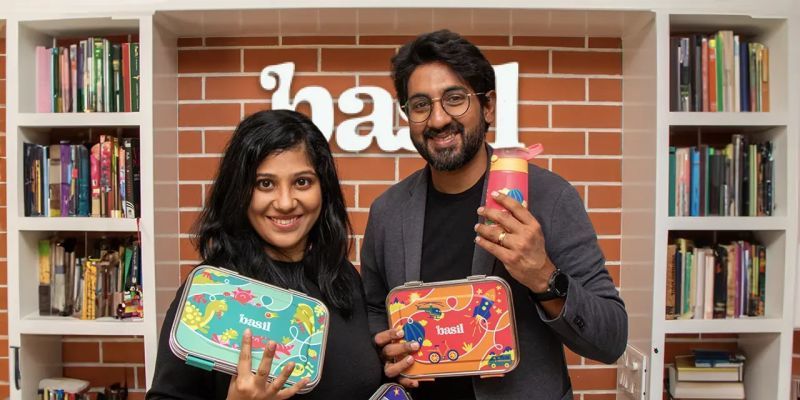 Operational Excellence
Basil is a reminder that product obsession is still a real wedge.
Great consumer brands often look emotional from the outside, but the engine underneath is operational rigor. The Basil note ties brand love back to details like weight, fit, finish, and the quiet discipline behind products that simply work.
Operational excellence may not be glamorous, but it is often what turns trust into repeat.
Read note Content IncentivesAre algorithms slowly forcing business content toward extremes?
A recurring tension in creator ecosystems is whether nuanced thinking can still win reach, or whether only extreme, hyper-topical, certainty-laced content now breaks through.
If the incentives keep rewarding simplification and outrage, founders and operators may end up consuming hotter takes and less depth exactly when the opposite is needed.
Read note Creator-Led Brands
What an 80,000-person teen skincare launch says about authentic pull.
The Salish Matter launch is less interesting as celebrity news and more interesting as proof of distribution, trust, and audience identity aligning around a product made by someone who feels familiar.
The bigger question is what the Indian equivalent looks like: which creator has the kind of earned affinity that can carry a brand, not just a moment.
Read note Healthcare AccessIf AI plus mobile can widen healthcare access, why are so few building for smaller-town India?
The question is simple and important: if the rails finally exist, why is there still so little venture-backed urgency around healthcare access for smaller towns and villages?
It is the kind of theme where distribution, trust, economics, and on-ground execution matter as much as the technology.
Read note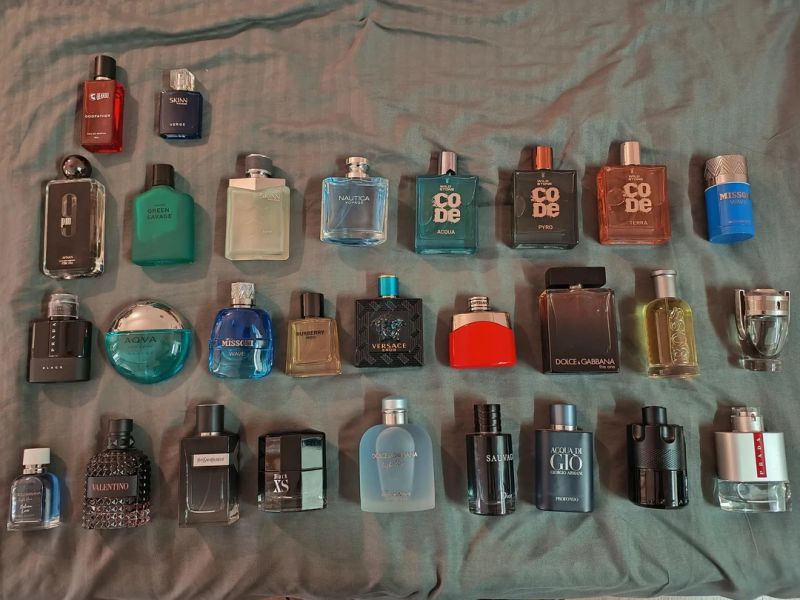 Consumer Behavior
The fragrance wardrobe is not niche behavior anymore.
Fragrance in India is shifting from occasional luxury purchase to everyday self-expression. Layering, rotating by season or time of day, and following note-based discovery are becoming normal consumer behaviors.
That is opening space for fragrance-first brands and for scent to become a core product differentiator well beyond perfumes.
Read noteWhat these notes tend to focus on
- What makes a founder or category genuinely interesting before scale creates narrative inflation.
- How product, brand, and operational detail show up in real consumer love.
- Where creator behavior, AI, and new consumer rituals are opening wedges worth watching.