Category and Positioning
Naming the category and making the wedge unmistakable.
The earliest framing choices often echo for years. This is where cleaner language and sharper positioning save months of confused demand.
Founder, operator, and early-stage investor
I personally back a small number of early-stage consumer founders and am most useful on positioning, product truth, repeat, and fundraising timing. I co-founded The Moms Co. in 2016 and helped build it into India’s largest D2C exit at the time in 2021. Before that, I spent seven years at McKinsey. Since the exit, I have made 40 angel investments and been part of 100+ investments through DeVC, with a focus on consumer brands, consumer health, and AI-enabled consumer products in India. I usually work with a small number of founders and brands at a time, where trust, fit, and the next few decisions matter more than broad portfolio coverage.
Why Founders Call Me
I am most useful when a few sharper calls can change the company before drift hardens into strategy.
Category and Positioning
The earliest framing choices often echo for years. This is where cleaner language and sharper positioning save months of confused demand.
Product Truth and Repeat
Launch noise can hide a weak core. I care about whether the user truth is strong enough to create preference, habit, and repeat.
Distribution and Go-To-Market
Distribution should deepen conviction, not just manufacture motion. The goal is a go-to-market model that strengthens the product story.
Funding Timing and Narrative
The fundraising story matters, but timing matters more. I am useful when the company has real signs of life and needs thoughtful capital, not generic advice.
Operating Context
My perspective starts with building one consumer brand end to end, then extends through early-stage investing, founder pattern recognition, and the adjacent systems that make consumer companies work.
Portfolio
A snapshot of selected investments across 40 angel investments and 100+ investments through DeVC, spanning consumer brands, AI-led products, and category enablers.
I have also spent time with over 500 consumer brands, which has helped sharpen my sense of what feels differentiated, durable, and likely to earn repeat.
Infrastructure at the intersection of content, commerce, and attribution, helping brands and creators compound demand more intelligently.
Backing a team using design and product feel as the wedge in a category that usually treats taste as optional.
A healthcare lifestyle brand bringing stronger product thinking, comfort, and identity to a category usually treated as purely functional.
A youthful brand with culture, memorability, and the kind of energy that turns product into conversation.
A brand built around making professional dressing feel sharper, easier, and more dependable for modern Indian women.
Learnings
People focus on the ₹500 crore acquisition. I focus on the operating system underneath it: great products work, trust compounds, repeat matters more than buzz, and the best consumer companies feel true before they scale, whether they look like a brand, a platform, or an AI-native service.
The pattern I look for is not noise, novelty, or surface polish. It is whether the consumer truth is real enough to create trust, preference, and repeat over time.
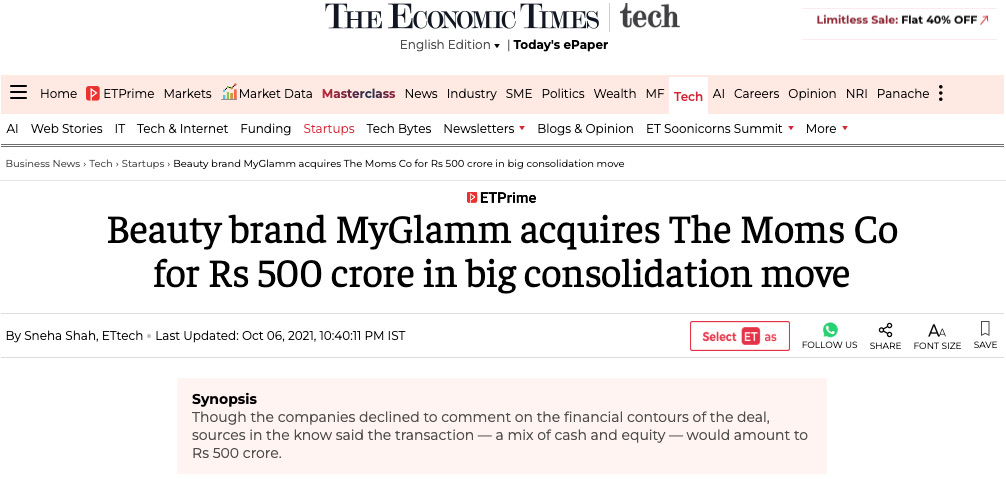
India's largest D2C Exit, 2021
The Moms Co. was acquired by MyGlamm in a reported ₹500 crore transaction in October 2021, but the sharper signal is the operating quality it took to get there.
Featured clip
After building The Moms Co, I shifted from operating one company to working closely with many founders. As a founder, only a small part of my time could go into strategy. As an investor, that is now where I spend most of my time: helping founders think through positioning, tradeoffs, growth, and the decisions that matter before scale.
What to watch
The useful stuff is usually upstream of the outcome: how operator experience translates into better strategic pattern recognition, sharper founder conversations, and cleaner judgment on where capital can actually help.
See more learning clips On founder instinct
Early decisions, operating judgment, and what starts to matter once the company is real.
On founder instinct
Early decisions, operating judgment, and what starts to matter once the company is real.
 On brand and category
How strong consumer brands sharpen their wedge and earn attention that actually lasts.
On brand and category
How strong consumer brands sharpen their wedge and earn attention that actually lasts.
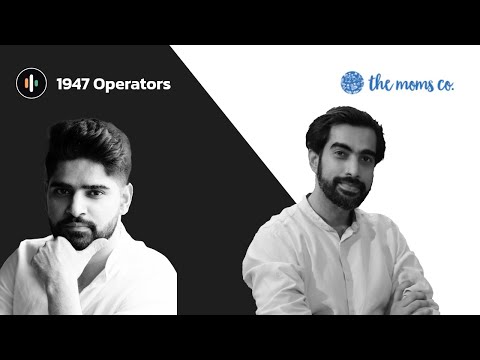 On building with constraints
Practical thinking on focus, pace, and the decisions that keep an early company from getting noisy.
On building with constraints
Practical thinking on focus, pace, and the decisions that keep an early company from getting noisy.
 On teams and leverage
How to think about people, systems, and AI leverage without mistaking motion for progress.
On teams and leverage
How to think about people, systems, and AI leverage without mistaking motion for progress.
See more
Follow the ongoing clip stream for sharper snippets from the operator seat.
Open InstagramWhat I Believe
The category may still be early, but social proof, doctor comfort, and easier access points could make adoption feel a lot faster very soon.
Read note Founder To InvestorThe job now is to stay useful to founders by carrying operating memory forward, not by switching into generic investor language.
Read note Consumer AIThe wedge is still trust, behavior, and repeat. AI only matters if it improves the lived user experience in a way people feel.
Read note PMFLaunch noise, influencer spikes, and surface growth can hide a weak product. Repeat and pull still tell the truth.
Read noteFounder FAQ
Best use of this page
The point is not to add more investor theatre. It is to answer the practical things founders usually want to know first, so the conversation can start closer to the real decision.
I focus on early-stage companies across consumer brands, consumer health, and AI-enabled consumer products, especially when the founder insight is real but the strategic path is still being shaped.
Yes. I personally back a small number of early-stage founders where I believe the product truth, founder judgment, and long-term wedge can compound.
Usually from idea stage through early traction, when category choices, positioning, product direction, and fundraising timing are still open enough to materially improve outcomes.
The value is usually in sharper thinking before scale: clarifying the wedge, improving product and category judgment, avoiding noisy growth, and making cleaner decisions on narrative, pace, and fundraising. I usually work with a small number of founders at a time, where mutual fit and trust allow more honest long-term problem solving.
I am most useful when the founder has real conviction, some evidence of pull, and unresolved strategic choices that still benefit from honest operating perspective rather than generic advice.
Send what you are building, who it is for, what feels unresolved, what signal makes you believe this could become a real company, and why this is the right moment to talk.
Founder Note
If you’re building for consumers, exploring an enabling layer around them, or already seeing early traction, send the product or idea, who it is for, what still feels unresolved, and the one signal that makes you believe this could become a real company.
Best fit: early-stage founders with real pull and unresolved strategic choices.
Helping founders on
Best fit: consumer founders from category
exploration to seed stage, especially when the product,
consumer insight, and next few decisions still have room to be
shaped.
Probably not for: generic fundraising
outreach, broad networking pings, or teams looking for a
polite but unhelpful coffee chat.